Phase II Environmental Site Assessments (ESAs)
Confirming the unknown. We provide precise subsurface testing to validate or dismiss environmental concerns identified in Phase I.
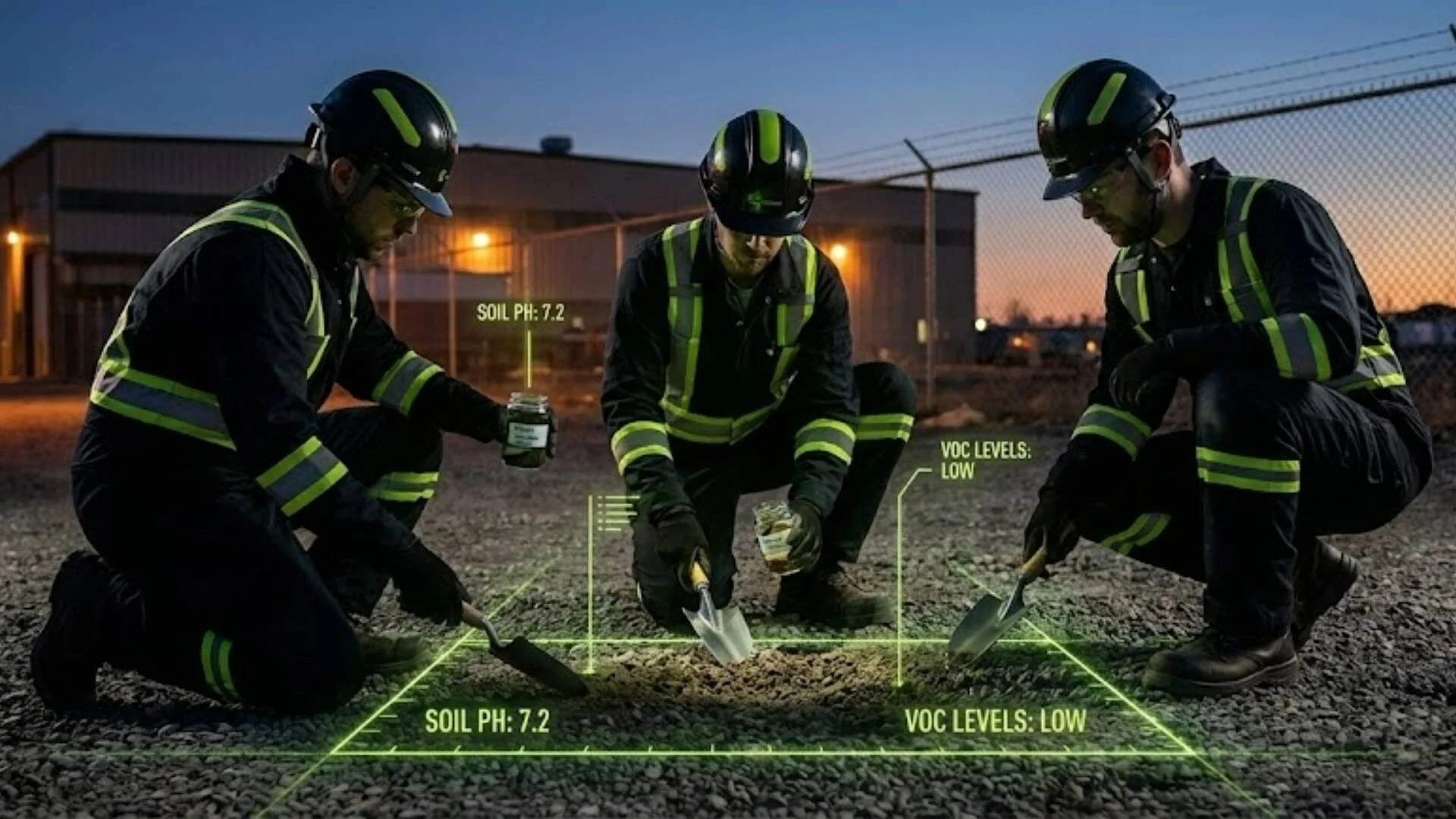
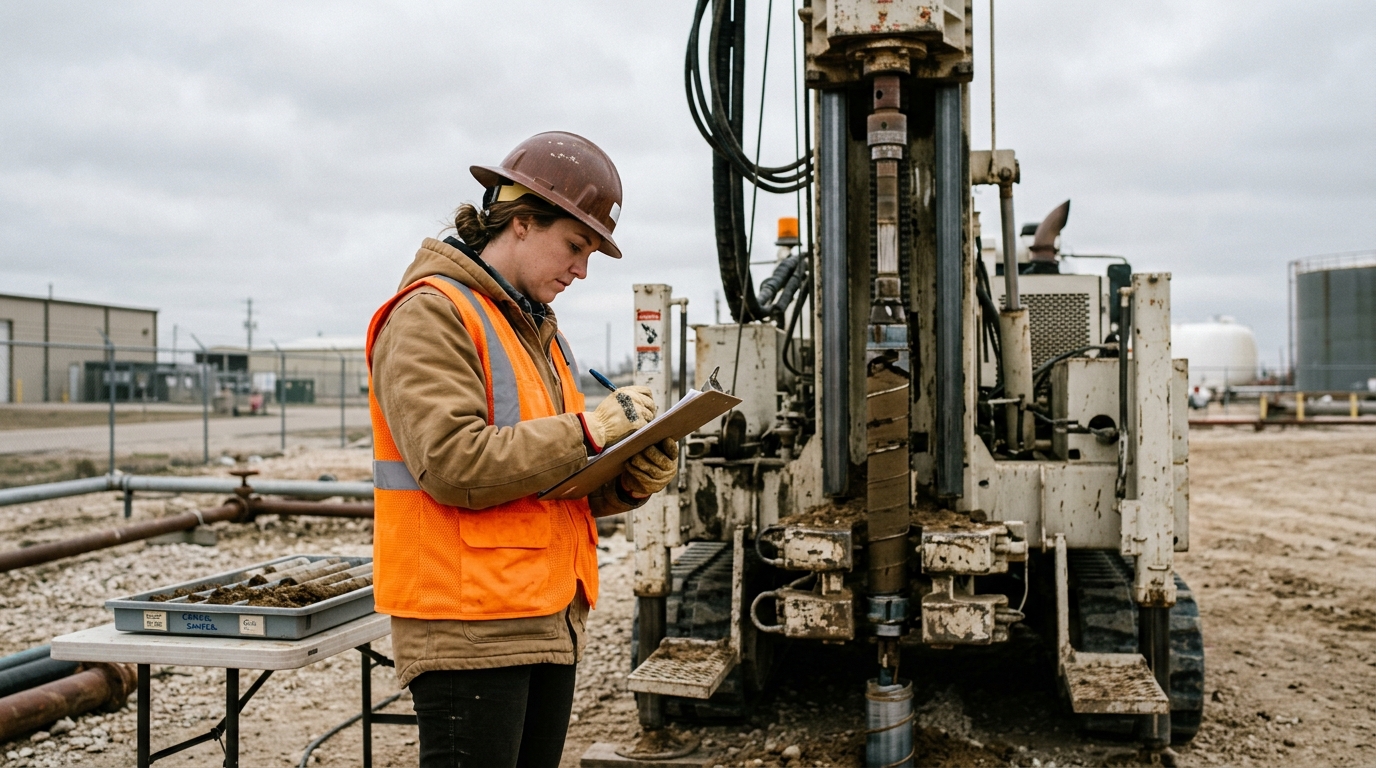
Moving From Suspicion to Science
While a Phase I ESA identifies potential risks, a Phase II ESA provides the hard data needed to confirm them. If your initial assessment revealed "Recognized Environmental Conditions" (RECs), such as historical gas stations, dry cleaners, or industrial manufacturing, physical sampling is the only way to define your liability.
Envirogyn utilizes minimally invasive drilling and sampling technologies to collect soil, groundwater, and vapor samples. These are analyzed in accredited laboratories to determine the exact presence and concentration of contaminants, bench-marked directly against Texas Risk Reduction Program (TCEQ TRRP 30 TAC 350) Protective Concentration Levels (PCLs).
Physical sampling eliminates speculation. We establish whether detected contaminants exceed regulatory thresholds, allowing buyers to negotiate remediation escrows, enroll in the Texas Voluntary Cleanup Program (VCP), or exit unviable acquisitions.
Targeted Subsurface Investigation Modalities
We deploy state-of-the-art direct-push core sampling, monitoring well installations, and vapor encroachment screening calibrated to site geology.
Soil Borings & Sampling
Collection of subsurface soil samples using direct-push drilling to test for heavy metals, total petroleum hydrocarbons (TPH), volatile organic compounds (VOCs), and industrial solvents.
Groundwater Monitoring Wells
Installation of temporary or permanent monitoring wells to assess groundwater quality, measure hydrostatic heads, and evaluate dissolved plume migration across property boundaries.
Vapor Encroachment Screening
Testing sub-slab soil gas and indoor ambient air under ASTM E2600 to ensure volatile chemicals and chlorinated solvents are not migrating into building interiors (Vapor Intrusion).
Geophysical Surveys
Using Ground Penetrating Radar (GPR) and electromagnetic induction to pinpoint underground storage tanks (USTs), buried drums, septic structures, and abandoned utility corridors.
Why Speed Matters
Real estate transactions have tight deadlines. A delayed Phase II can kill a deal, forfeit earnest money, or derail financing. Envirogyn's field operations are built for rapid mobilization and unambiguous reporting.
Rapid Mobilization
Direct deployment of drilling crews and EPA-qualified sampling teams across Texas within days of notice to proceed.
Expedited Lab Turnaround Available
Direct integration with accredited NELAP testing laboratories offering 24-hour, 48-hour, and 72-hour expedited analytical turnaround times.
Clear "Go/No-Go" Reporting
No convoluted academic jargon. You receive clear executive summaries comparing data directly against TCEQ regulatory limits with actionable commercial advice.
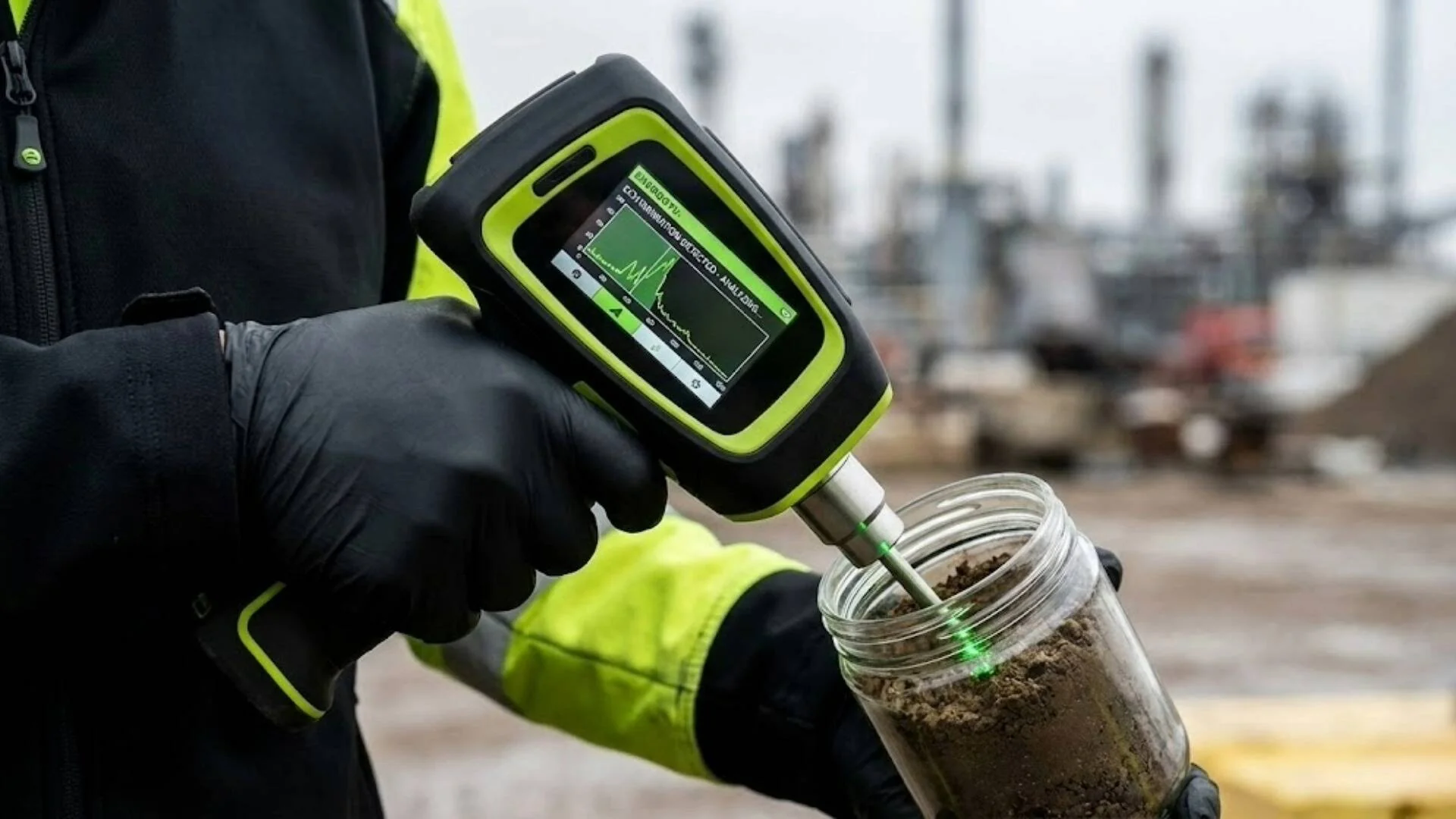
Integrated Environmental Capabilities
Subsurface environmental testing requires complete synergy between historical due diligence, senior research scientists, and certified field technicians.
Phase I ESA
The prerequisite historical review, database audit, and site reconnaissance before subsurface physical testing is commissioned.
EXPLORE PHASE I ESA →Environmental Scientists
Senior scientific investigators who design empirical sampling grids, interpret hydrogeologic data, and model contaminant transport.
EXPLORE SCIENTISTS →Science & Protection Technicians
Certified field technicians operating direct-push core rigs, logging soil stratigraphy, preserving samples, and executing chain of custody.
EXPLORE TECHNICIANS →Phase II Environmental Site Assessment FAQ
Essential technical and regulatory guidance for developers, buyers, and legal counsel managing subsurface contamination investigations.
Is a Phase II ESA always required?
No. It is only required if a Phase I ESA identifies a Recognized Environmental Condition (REC) that warrants physical verification, or if required by an institutional lender or regulatory agency.
How long does a Phase II take?
Typical turnaround is 2 to 4 weeks, depending on drilling scope, utility clearances, permit requirements, and lab analytical turnaround times. Expedited rush services are available.
What happens if contamination is found?
We provide a comprehensive report detailing contaminant type, concentrations, and spatial extent compared against TCEQ TRRP limits. From there, we can assist with Phase III remediation planning, regulatory disclosure strategies, or entry into the Texas Voluntary Cleanup Program (VCP).
Need to Verify a Site?
Don't risk your investment on unknowns. Get precise subsurface data from Envirogyn's accredited environmental professionals.
Phase II Subsurface Scoping
Rapid soil boring and monitoring well scoping for commercial properties with confirmed or suspected environmental releases.
COMMENCE INQUIRY →Certificate of Remediation (CMDR)
Get a Certificate of Mold Damage Remediation from the professionals. Independent clearance inspections protecting asset equity.
CMDR DETAILS →Mold Assessment Consultant
Protecting your health and property is our priority. As a leading Texas licensed assessment company, we provide objective diagnostics.
CONSULTANT INTEL →